
Get Backflow Plumbing Replacement
Backflow plumbing replacement services help property owners fix and replace faulty or outdated backflow prevention devices to ensure safe water flow and prevent contamination.
Property owners exploring backflow plumbing replacement services often consider the importance of maintaining a safe and reliable water supply. Whether you're planning an upgrade to meet local regulations, addressing existing plumbing issues, or preparing for property improvements, understanding your options is a vital step. Local contractors who specialize in backflow prevention and replacement can provide the expertise needed to ensure your plumbing system functions properly and complies with safety standards.
Comparing different service providers in the area can help you find the right fit for your project’s needs. Many local contractors offer a range of solutions tailored to property types and specific plumbing configurations. Continuing to explore your options can lead to finding experienced professionals capable of handling the job efficiently, giving you confidence in the quality and reliability of the work.
- Backflow Prevention Device Replacement - needed when existing backflow preventers are outdated or malfunctioning.
- Residential Backflow System Replacement - required if a home's backflow prevention system fails or is damaged.
- Commercial Backflow Prevention Replacement - necessary for businesses to ensure compliance and prevent contamination risks.
- Municipal Backflow Infrastructure Upgrade - performed when local water systems require updated backflow prevention measures.
- Emergency Backflow Repair and Replacement - needed when backflow issues cause immediate health or safety concerns.
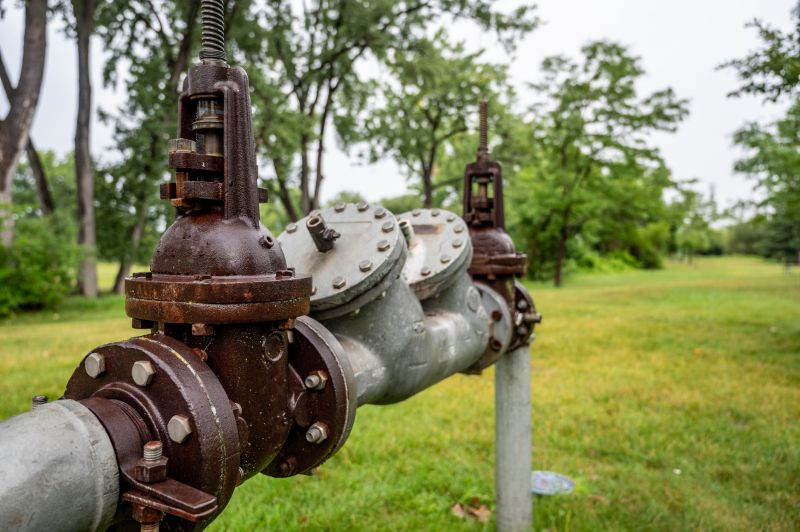
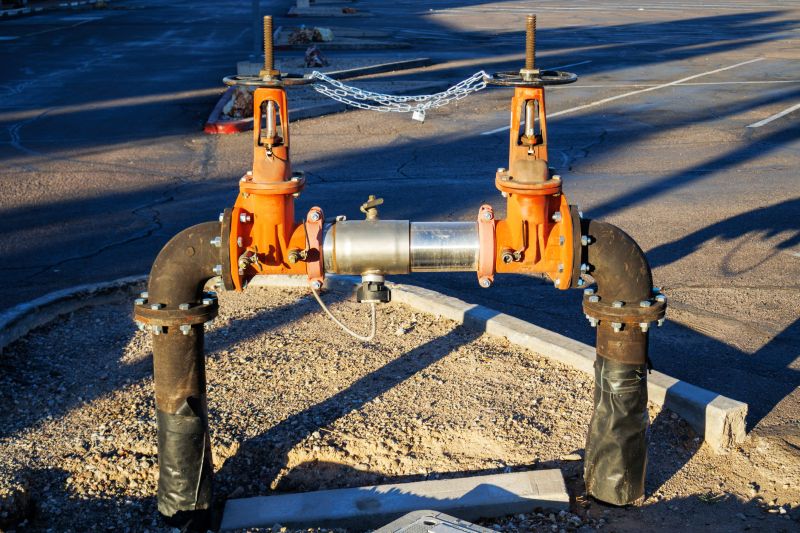
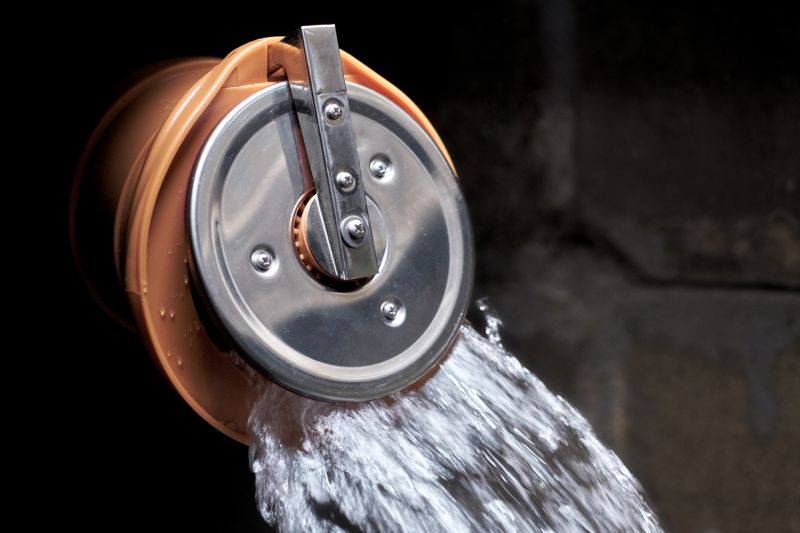
Backflow plumbing replacement services involve removing and installing new backflow prevention devices to ensure the safety and integrity of a property's water supply. These systems are designed to prevent contaminated water from flowing backward into the clean water lines, which can occur due to pressure changes or plumbing issues. When a backflow prevention device becomes outdated, damaged, or fails to meet current standards, a professional replacement is necessary to maintain water quality and comply with local regulations.
This service helps address a variety of problems, including leaks, corrosion, or blockages in existing backflow preventers. Over time, these devices can wear out or become compromised, increasing the risk of contaminated water entering the home or business. Replacing faulty or outdated backflow preventers is essential for avoiding health hazards, water contamination, and potential property damage caused by backflow incidents.
Backflow plumbing replacement is commonly needed in properties such as residential homes, commercial buildings, restaurants, and industrial facilities. Any property that relies on a municipal water supply and requires protection against backflow contamination can benefit from this service. It is particularly important for properties with irrigation systems, fire suppression systems, or other setups where cross-connections might pose a risk to water safety.
Homeowners and property managers should consider backflow replacement services if they notice signs of device failure, such as leaks, reduced water pressure, or if a device has been in service for many years without inspection. Regular replacement or upgrades can help ensure the continued safety of the water supply and prevent costly repairs or health issues down the line. Local contractors experienced in backflow plumbing can evaluate the situation and recommend the appropriate replacement solutions to keep water systems functioning properly.
The overview below groups typical Backflow Plumbing Replacement projects into broad ranges so you can see how smaller, mid-sized, and larger jobs often compare in your area.
In many markets, a large share of routine jobs stays in the lower and middle ranges, while only a smaller percentage of projects moves into the highest bands when the work is more complex or site conditions are harder than average.
Smaller Repairs - Most routine backflow repairs typically cost between $250 and $600. These projects often involve fixing minor issues or replacing small components and are usually completed within this range. Fewer repairs fall into the higher end of this band unless additional work is required.
Partial Replacement - Replacing a section of the backflow prevention system generally ranges from $600 to $1,500. Many local contractors handle these jobs within this scope, though larger or more complex partial replacements can reach $2,500 or more.
Full Backflow Device Replacement - Replacing an entire backflow preventer typically costs between $1,000 and $3,500. Most projects fall into this middle range, with larger, more complex installations potentially exceeding $4,000 depending on site conditions.
Larger, Complex Projects - Extensive backflow system replacements or installations can range from $3,500 to over $5,000. These projects are less common and usually involve significant plumbing work, site modifications, or multiple device replacements.
Actual totals will depend on details like access to the work area, the scope of the project, and the materials selected, so use these as general starting points rather than exact figures.
Water line replacement - involves similar planning and skills to replace or repair underground water lines, often requiring knowledge of plumbing systems and excavation tools.
Sewer line repair - requires expertise in pipe inspection and repair techniques, paralleling the skills needed for backflow prevention device replacement.
Fire sprinkler system installation - involves working with complex piping and plumbing components, similar to backflow device setup and replacement.
Drain cleaning and clog removal - utilizes plumbing tools and techniques that are applicable when accessing and servicing backflow prevention systems.
Water pressure testing - involves assessing plumbing system integrity, which complements the skills used in backflow device testing and replacement.
Pipe insulation and protection - requires planning and handling of plumbing components, aligning with the skills needed for backflow system maintenance and replacement.
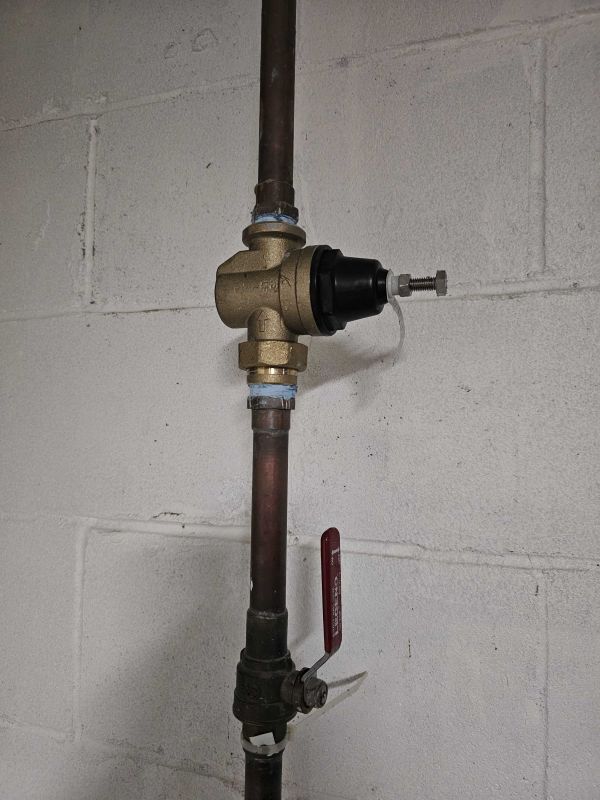
When comparing service providers for backflow plumbing replacement, it’s important to consider their experience with similar projects. Homeowners should look for local contractors who have a proven track record of handling backflow prevention system replacements or repairs comparable to their specific needs. An experienced professional is more likely to understand the complexities involved and deliver quality results, reducing the risk of future issues. Gathering information about a contractor’s past work can help ensure that they have the relevant expertise to manage the scope and requirements of the project effectively.
Clear written expectations are essential when choosing a local service provider. Homeowners should seek out contractors who provide detailed descriptions of the scope of work, materials to be used, and the process involved in the backflow replacement. Having this information in writing helps establish a mutual understanding and minimizes surprises during the project. It also provides a reference point to compare what different contractors offer, making it easier to identify providers who communicate transparently and set realistic expectations.
Reputable references and good communication are key factors in selecting the right local contractor. Homeowners can ask potential service providers for references from previous clients who had similar work done. Contacting these references can offer insights into the contractor’s reliability, quality of work, and professionalism. Additionally, a contractor’s responsiveness and clarity during initial conversations can indicate how well they will communicate throughout the project. Since this site connects homeowners with local pros, it’s worth noting that it introduces people to qualified options rather than performing the work itself, making direct research and inquiry an important part of the decision-making process.
Property owners use Backflow Plumbing Replacement services for practical projects around their homes and businesses. This guide focuses on everyday jobs and straightforward project options.
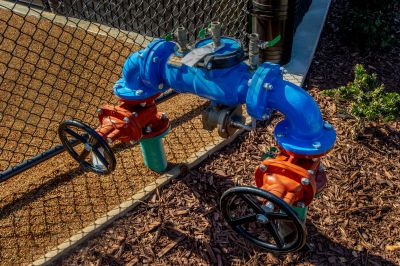
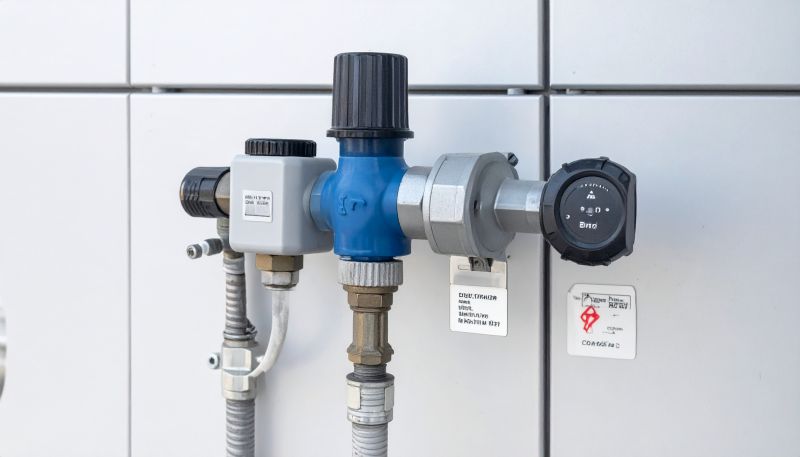
Backflow plumbing replacement services are often needed when property owners notice issues such as unexpected water pressure problems, foul odors, or visible signs of backflow in their plumbing system. These situations can arise from aging pipes, damage caused by nearby construction, or changes in water pressure that compromise the integrity of the backflow prevention devices. Local contractors are available to assess these concerns, ensuring that the plumbing system functions properly and prevents contaminated water from flowing back into the main supply.
Property owners may also seek backflow replacement services during routine plumbing upgrades or when installing new fixtures that require updated backflow prevention equipment. Additionally, renovations or property modifications that impact existing plumbing can prompt the need for these services to maintain compliance and protect water quality. Service providers in the area can handle these projects efficiently, helping ensure that plumbing systems remain safe and compliant with local standards.
What is backflow plumbing replacement? Backflow plumbing replacement involves removing and replacing damaged or outdated backflow prevention devices to ensure proper water flow and prevent contamination.
When should backflow prevention devices be replaced? Replacement is recommended if devices show signs of damage, wear, or have failed inspection, to maintain water safety and code compliance.
How do local contractors handle backflow plumbing replacement? Local service providers assess the existing system, determine the appropriate replacement options, and perform the installation following local plumbing standards.
What are common signs that indicate a backflow device needs replacement? Signs include persistent leaks, reduced water pressure, or failure during testing, which suggest the device may no longer function properly.
Can backflow plumbing replacement be integrated with other plumbing services? Yes, many local contractors can coordinate backflow device replacement alongside other plumbing repairs or upgrades as needed.
Backflow plumbing replacement for property upgrades - property owners can improve their plumbing system to ensure safe water flow and prevent contamination.
Replacing outdated backflow preventers during renovations - during remodeling projects, replacing old or faulty backflow devices helps maintain compliance and system integrity.
Ensuring water safety after repairs or damage - after plumbing repairs or damage, backflow replacement helps restore proper water flow and prevent potential health hazards.
Upgrading to modern backflow prevention technology - property owners can enhance their system’s reliability by installing newer, more effective backflow prevention devices.
If you are thinking about Backflow Plumbing Replacement for a property, this guide is meant to help you understand the work, the typical project types, and how different options might fit your plans.
When you are ready, you can use the quote form on this page to share a few details about your project. From there, local pros can review the basics and respond with options that match what you have in mind.